
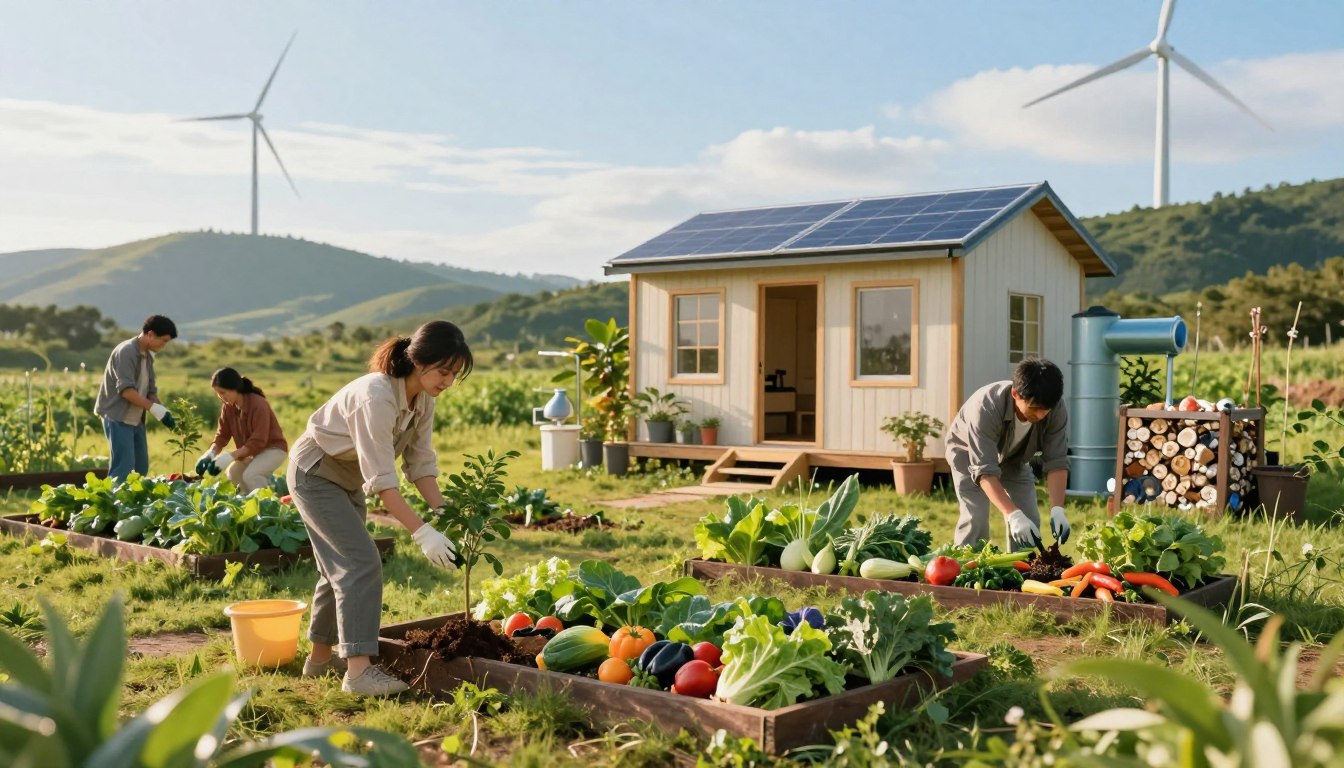

Every person can help the earth with simple actions. Choosing greener choices creates a lasting impact. By changing our ways, we can protect forests and oceans.
Adopting eco-friendly habits is good for families. It’s about valuing quality over quantity. These habits help reduce the strain on our planet’s resources.
Going green can also save you money. Cleaner air comes from using fewer chemicals at home. You’ll find easy ways to improve your life.
Small steps lead to big changes. It’s about making progress, not achieving perfection right away. Every small effort counts when we look at the bigger picture.
Let’s see how these methods benefit everyone. They help preserve our natural beauty. Begin your journey to a brighter future today.
Key Takeaways
- Support local farmers often.
- Save energy with LED bulbs.
- Buy high-quality items only.
- Compost kitchen scraps easily.
- Use public transit more.
- Reduce plastic use daily.
Understanding the Foundation of Sustainable Living
Living sustainably is now a must for Americans. We face big challenges like environmental damage and running out of resources. It’s key to know the basics of sustainable living.
Sustainable living means doing less harm to our planet. It’s about making smart choices to protect the environment. We aim to save natural resources and ensure a better world for those who come after us.
What Sustainable Living Means in Modern America
In today’s America, living sustainably means being kind to the environment and society. It’s about using less energy, choosing renewable sources, and saving water. We also aim to reduce waste and support farming that’s good for the planet.
Sustainable living is more than just personal actions. It’s also about pushing for policies that help protect our planet. By making smart choices, we can help create a greener future.
The Real Environmental Impact of Your Daily Choices
Our daily choices greatly affect the environment. What we eat and buy matters a lot. For example, picking items with less packaging and buying local food helps a lot.
Knowing how our choices impact the planet is the first step to change. By being careful with what we consume, we can lessen our role in problems like climate change and pollution.
Transforming Your Home into an Eco-Friendly Haven
Making our homes eco-friendly is key to a sustainable future. It’s about making simple changes that help the planet and improve our living spaces.
Energy-Efficient Upgrades That Pay Off
Energy efficiency is vital for an eco-friendly home. A few upgrades can cut down energy use and lower bills.
Installing Smart Thermostats and Programmable Controls
Smart thermostats and controls are easy to install. They learn your habits to save energy.
- They can be controlled from your phone.
- They give detailed energy reports.
Switching to LED Bulbs Throughout Your Home
LED bulbs use much less energy than old bulbs. They also last a lot longer.
- LEDs come in many colors and brightness levels.
- They don’t have toxic chemicals like mercury.
Water Conservation Methods That Work
Water conservation is key for an eco-friendly home. Simple steps can make a big difference.
Low-Flow Fixtures and Aerators
Low-flow fixtures and aerators save water without losing performance. They mix air with water to keep pressure up while using less water.
- They’re easy to install and keep up.
- They can cut down water bills a lot.
Rainwater Harvesting Systems
Rainwater harvesting systems collect rain for non-drinking uses like watering plants. This lessens the need for municipal water.
- They fit different roof sizes and needs.
- They help reduce stormwater runoff.
Creating Your Own Natural Cleaning Products
Many cleaning products are harsh and bad for the environment and health. Making your own natural products is better for both.
- Ingredients like baking soda, vinegar, and lemon juice are common.
- These products save money and can be tailored to your needs.
By making these changes, we can make our homes more sustainable. This benefits our health and the planet.
Sustainable Living: Eco-Friendly Habits, Waste Reduction, and Mindful Consumption
We all want a better future, and that means cutting down on waste and being mindful of what we buy. Making eco-friendly choices is a big step towards a greener planet. It’s about finding ways to reduce waste and keep our environment healthy.
Mastering the Five Rs: Refuse, Reduce, Reuse, Recycle, Rot
The five Rs are key to living sustainably. They help us cut down on waste and live more thoughtfully.
- Refuse: Don’t take things you don’t need or that add to waste.
- Reduce: Buy things with less packaging and in bulk to use less.
- Reuse: Think of new uses for things instead of throwing them away.
- Recycle: Make sure to recycle paper, plastic, glass, and metal properly.
- Rot: Compost food and yard waste to make soil and cut down on landfill waste.
By following these steps, we can all make a big difference in reducing waste.
Starting a Home Composting System
Composting is a great way to deal with food and yard waste. It turns these into a soil that’s full of nutrients.
| Composting Materials | Examples | Benefits |
|---|---|---|
| Green Materials | Food scraps, grass clippings | Rich in nitrogen |
| Brown Materials | Dried leaves, straw | Rich in carbon |
To compost, mix green and brown materials in a bin. Make sure it’s moist and has air.
Eliminating Single-Use Plastics from Your Life
Single-use plastics harm our planet a lot. It’s important to use less of them for a greener life.
Here’s how to cut down:
- Use reusable bags and containers.
- Avoid products with too much plastic packaging.
- Choose glass or metal instead of plastic.
By doing these things, we can greatly reduce plastic waste.
Adopting Mindful Consumption in Your Purchasing Decisions
Mindful consumption helps us build a better future. It makes us think more about what we buy. This way, we can lessen our harm to the environment and support fair practices.
Breaking Free from Fast Fashion Culture
The fast fashion world pollutes a lot. In the US, people throw away 82 pounds of clothes each year. To change this, try using a capsule wardrobe. This means having a few, quality pieces that you can wear often.
Key Strategies:
- Buy second-hand or vintage clothing
- Invest in timeless pieces instead of trendy ones
- Take good care of your clothes to make them last longer

Investing in Durable, Long-Lasting Products
Choosing durable items cuts down on waste and saves money. Look for products that are made to last, like solid wood furniture or strong appliances.
| Product Category | Characteristics of Durable Products | Benefits |
|---|---|---|
| Furniture | Solid wood construction, sturdy frames | Long lifespan, less waste |
| Appliances | Robust construction, high-quality materials | Energy efficiency, reduced replacement costs |
| Clothing | High-quality fabrics, timeless designs | Less frequent replacements, reduced waste |
Choosing Ethical and Sustainable Brands
Supporting brands that care about the planet and people is key. Before buying, check if the brand is open about its supply chain and values. Look for their commitment to being green and fair.
“Companies that focus on sustainability are good for our planet. They also tend to do well in the long run.”
By choosing wisely and being mindful, we can make the world a better place. Together, we can achieve a more sustainable and fair world.
Embracing Sustainable Food Systems and Kitchen Practices
The way we produce, consume, and waste food affects the environment a lot. It’s key to adopt eco-friendly habits in our kitchens. This can greatly reduce our impact on the planet.
Incorporating More Plant-Based Meals
Choosing more plant-based meals is a big step towards living sustainably. These meals have less environmental impact than meat and processed foods. Animal farming is a big cause of pollution and climate change.
Benefits of Plant-Based Meals:
- Reduced carbon footprint
- Lower water usage
- Support for biodiversity
- Improved health outcomes
Cutting Food Waste in Half
Food waste is a big problem, with lots of food lost or wasted. Reducing food waste helps the environment, saves money, and supports food security.
Strategic Meal Planning and Prep
Planning meals ahead and preparing ingredients can cut down on waste. Knowing what you’ll cook helps you buy only what you need. This avoids buying too much food that might go to waste.
Smart Food Storage Techniques
Storing food properly can make it last longer. Knowing how to store different foods can be very helpful. For example, keeping fruits and veggies in the right conditions can extend their freshness.
Example of Food Storage Tips:
| Food Item | Storage Tip | Extended Shelf Life |
|---|---|---|
| Carrots | Store in a cool, dark place | Up to 2 weeks |
| Apples | Keep away from strong-smelling foods | Up to 6 months |
| Leafy Greens | Store in a sealed container with a paper towel | Up to 1 week |
Shopping at Farmers Markets and Local Suppliers
Buying from local farmers and suppliers is key to sustainable food systems. It cuts down on the carbon footprint from long-distance food transport. Plus, it supports the local economy and gives you fresher, often organic produce.
Benefits of Shopping Locally:
- Reduced carbon footprint from transportation
- Support for local economy
- Fresher produce
- Opportunity to buy organic and seasonal produce
Rethinking Transportation for a Smaller Carbon Footprint
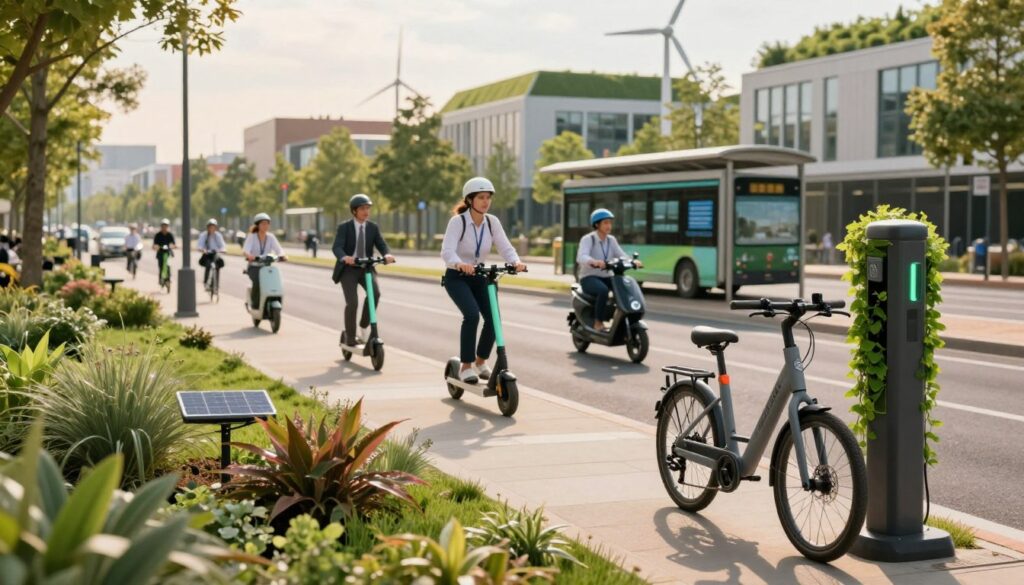
Choosing sustainable transportation is key to lessening our environmental harm and a greener future. The transport sector is a big source of greenhouse gases, mainly because of fossil fuel use. By choosing greener ways to get around, we can cut our carbon footprint a lot.
Walking, Biking, and Active Commuting
Walking and biking are great ways to lower our carbon footprint. They not only cut emissions but also boost our health. Try biking to work or walking to stores instead of driving.
Communities can help by building better paths for walkers and bikers. This makes it safer and encourages more people to choose these green options.
Maximizing Public Transportation and Ride-Sharing
Using public transport is another smart move for a smaller carbon footprint. Buses, trains, and subways are better for the environment than cars. Ride-sharing services also help by cutting down on the number of cars on the road.
Planning our trips and using public transport or ride-sharing can make a big difference. Supporting better public transport also helps more people use it.
Evaluating Electric Vehicles and Hybrids
If we need personal vehicles, looking into electric and hybrid cars is important. EVs have no tailpipe emissions, which helps clean the air in cities. Hybrids are better than gas cars but not as good as EVs.
Think about your driving needs and charging access before choosing an electric or hybrid car. As tech gets better and more charging spots appear, EVs become more practical.
Creating Sustainable Habits That Stick
Starting lasting change in our daily lives means embracing sustainable habits that stick. It’s about making choices that help the environment and become part of our lifestyle.
Setting Realistic and Achievable Sustainability Goals
The first step is setting realistic and achievable sustainability goals. Understand your current environmental impact and find areas for big changes.
- Start by assessing your daily habits and their environmental impact.
- Set specific, measurable goals, such as reducing energy consumption or minimizing waste.
- Prioritize these goals based on their impact and how easy they are to achieve.
Measuring and Monitoring Your Carbon Footprint
Measuring and monitoring your carbon footprint is key to knowing if your efforts are working. It shows where you can improve and helps in making better choices.
Use online carbon footprint calculators to see your impact. Regular checks help you stay on course with your sustainability goals.
Building a Community Around Sustainable Living
Building a community around sustainable living boosts your efforts and offers support. Connect with others through local groups or online forums to share tips and stories.
Joining community initiatives gives you a sense of belonging. It also motivates others to adopt sustainable habits.
Conclusion
As we wrap up our look at sustainable living, it’s clear that it’s a journey, not a destination. By understanding the basics and making smart choices, we can all help the planet. This means using less energy, saving water, and choosing eco-friendly products.
Every little action adds up. Whether it’s driving green, recycling, or eating food that’s good for the earth, it matters. These actions help our planet and ensure a better future for all.
Our path to living sustainably is about making small changes that add up big time. By sticking to our eco-friendly habits and always looking for new ways to improve, we can live more sustainably. This is just the start of our ongoing effort to protect our environment.
FAQ
What does sustainable living look like in modern America?
In the United States, sustainable living means making choices that reduce our carbon footprint. We switch to renewable energy and buy things we really need. Even small actions, like adjusting your HVAC or how you commute, help the planet.
Which home energy upgrades offer the best return on investment for the environment?
Installing Smart Thermostats from Google Nest or Ecobee saves a lot of energy. Also, using Energy Star-certified LED bulbs and high-efficiency appliances cuts down on bills. These changes make your home more sustainable.
How can I significantly reduce my indoor water consumption?
Using low-flow showerheads and faucet aerators saves a lot of water. For outdoor use, rainwater harvesting systems or greywater recycling are great. They help save water and protect our watersheds.
What are the “Five Rs” of waste reduction and how do I apply them?
The Five Rs are Refuse, Reduce, Reuse, Recycle, and Rot. Say no to single-use plastics and buy less. Use items like Stasher bags and recycle right. Composting turns waste into soil.
How can I move away from the “fast fashion” culture and shop more ethically?
Choose durable, long-lasting products instead of trendy, disposable ones. Support brands like Patagonia, Eileen Fisher, or Allbirds that care about workers and the planet. Buying second-hand helps clothes last longer.
What are the environmental benefits of a plant-based diet?
Eating more plant-based meals helps the planet. It reduces the harm from big farms. Shopping at local farmers markets supports good farming and cuts down on food miles.
What is the best way to reduce my transportation-related carbon footprint?
Walking or biking is best for active commuting. For longer trips, use public transportation or Uber Green. Electric or hybrid cars like the Tesla Model 3 or Toyota Prius cut emissions.
How do I create sustainable habits that actually last?
Start with realistic and achievable goals. Use a carbon footprint calculator to see where you can improve. Joining community gardens or zero-waste groups helps. Small steps lead to big changes.
